Reliable San Antonio Locksmith Service Team
Local locksmith team
Oct 2, 2026 12 min read
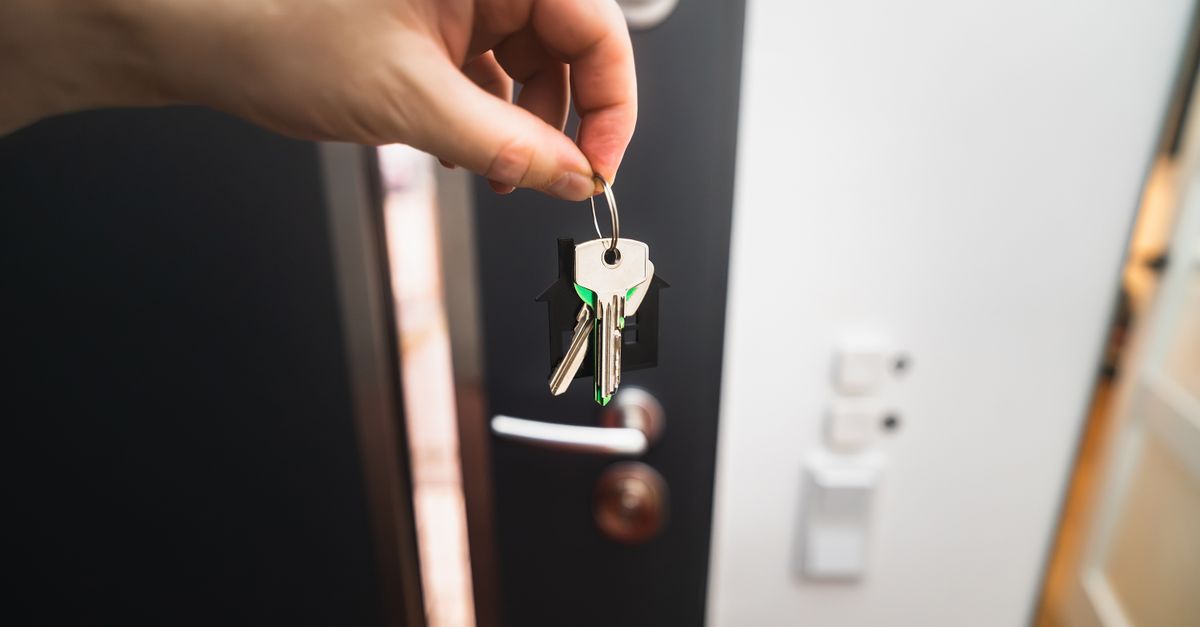
Your front door knob lock goes through hundreds of cycles every year — twist, push, pull, lock, unlock — and most homeowners never give it a second thought until the morning it simply refuses to turn. In the Shavano Park area, where summer heat and humidity can quietly accelerate wear on door hardware, that kind of sudden failure is more common than you'd expect. The good news is that a failing knob lock almost always gives you warning signs before it completely gives out.
This guide walks you through five of the most telling red flags that your door knob with lock and key is on borrowed time. Catching them early means the difference between scheduling a convenient repair and calling an emergency locksmith at midnight because you can't get into your own home. Read on — your front door is trying to tell you something.
## Sign 1: The Door Knob Sticks, Grinds, or Requires Extra Force to Turn
A healthy knob lock should rotate smoothly with minimal resistance. If you've started needing to jiggle the knob, apply extra wrist pressure, or lift slightly on the door before the latch releases, that friction is a mechanical red flag — not a quirk you should get used to. Inside the cylinder, the spring-loaded pins that align with your key's cuts can corrode, wear flat, or shift out of position over time. Once that happens, the rotational force required to operate the lock increases, which accelerates wear on every other internal component. What starts as a stiff turn can progress within weeks to a lock that simply won't move at all.
Pay special attention if the sticking is worse on hot afternoons. The Shavano Park area sits in a climate zone where summer temperatures routinely push past 100°F, and door frames expand measurably in that heat. A door knob with lock that feels fine in the morning may bind stubbornly by 3 p.m. because the frame has swollen just enough to put lateral pressure on the latch bolt. That's a combined problem — part hardware, part frame alignment — and it's exactly the kind of nuanced diagnosis a trained locksmith can sort out quickly so you're not left wrestling your own front door every afternoon.
## Sign 2: The Knob Feels Loose, Wobbly, or Spins Without Engaging
Grab your door knob right now and try to wiggle it side to side and front to back. A small amount of play is normal, but if the knob rocks noticeably or feels like it might pull away from the door, the set screw, spindle, or rose plate has come loose — or worse, the internal cam or tailpiece is worn through. When the spindle that connects both knobs loses its grip, you can end up in a scenario where the knob spins freely without retracting the latch at all. At that point, the door is effectively stuck closed (or stuck open, if the latch is already retracted), and no amount of turning will help.
A loose lock door knob is also a security concern beyond just inconvenience. A wobbling knob signals to anyone watching that the hardware is compromised, and some forced-entry methods rely on exploiting that exact looseness. If your exterior knob lock is visibly unstable, treat it as urgent — don't wait for it to fail completely. Our team serves the Shavano Park neighborhood and surrounding areas around NW Military Highway and Wurzbach Parkway, and we carry replacement knob hardware on our service vehicles so we can swap out a deteriorating lock in a single visit.
## Sign 3: Your Key Is Increasingly Difficult to Insert, Turn, or Remove
The key and the lock cylinder are a matched system, and when either one degrades, both suffer. If you're finding that you need to wiggle the key to get it seated, force it through the last quarter-turn, or sometimes yank firmly just to get it back out, at least one of three things is happening: the key has worn down from years of use, debris or corrosion has built up inside the keyway, or the internal pins have shifted and no longer align cleanly with the key's cuts. Any of these conditions puts stress on the cylinder every single time you use it, shortening its remaining lifespan significantly.
This is also the sign homeowners most commonly dismiss until it becomes an emergency. 'It's always been a little stiff' is one of the most common things we hear right before someone gets locked out. A door knob with lock that's fighting you on key insertion is not normal wear — it's a lock telling you it needs attention. A professional inspection can determine whether the issue is as simple as cleaning and lubricating the cylinder with a dry graphite lubricant (never use WD-40 inside a lock cylinder — it attracts grit and gums up the pins) or whether the lock needs to be rekeyed or replaced entirely. If you're noticing this on multiple locks around your home, it may also be worth asking about a mortise lock upgrade, since mortise lock hardware is built to a significantly higher mechanical tolerance and holds up far better over decades of daily use.
If you're already at the point where you're locked out and none of your usual tricks are working, don't attempt to force entry on your own. Call (631) 380-4138 — we're available around the clock and can verify ownership and get you back inside safely.
## Sign 4: Visible Rust, Tarnishing, or Physical Damage on the Hardware
What you can see on the outside of a knob lock is often a clue to what's happening on the inside. Surface rust or significant tarnishing around the keyhole or on the knob's collar isn't just cosmetic — oxidation works its way into the cylinder and onto the pins, causing them to bind or swell. If you can see rust, the interior components have almost certainly been affected too. Similarly, any visible cracks in the knob body, a bent strike plate, or a latch bolt that doesn't fully retract or extend should be treated as immediate failure risks rather than cosmetic imperfections.
Physical damage from a prior break-in attempt — even one that was unsuccessful — can compromise a lock door knob in ways that aren't always obvious. Torque applied to the cylinder during a forced-entry attempt can crack the housing internally or bend the cam, leaving the lock functional-looking but structurally weakened. If your home has ever had an attempted intrusion, or if you've moved into a property without knowing its full history, having a skilled locksmith inspect every entry point is a straightforward precaution. This is also a great time to discuss whether a mortise lock installation makes sense for your primary entry doors — unlike a standard knob lock, a mortise lock is embedded within the door itself, making it far more resistant to the kind of torque and kick attacks that damage surface-mounted hardware.
## Sign 5: The Latch Bolt Doesn't Retract or Extend Fully
Watch your latch bolt the next time you open your door. It should retract cleanly and completely when you turn the knob, and spring back fully when you release it. If the latch stutters, stops short, or has to be coaxed into position with a push or pull on the door itself, the internal spring mechanism is weakening. A partially retracted latch can prevent the door from closing properly — or worse, allow the door to appear latched when it actually isn't, which is a real security gap.
A latch that doesn't extend fully creates a different problem: the door won't stay closed under wind pressure or if bumped, even when the lock is engaged. Over time, forcing a partially functioning latch into the strike plate chips away at both the latch and the plate, which can cause the latch to jam entirely. By the time this symptom appears, the internal spring and sometimes the latch cam are usually past the point of simple lubrication — the lock typically needs to be replaced. If you're seeing this on a bedroom door knob with lock, the fix is relatively low-stakes; if it's your front or back exterior door, address it immediately. Our mobile locksmith team carries the hardware to handle this on-site, and we'll give you a clear, up-front price before touching anything — the final quote accounts for the lock type, the hardware needed, and any travel time, with no surprises after the work is done.
## What to Do When Your Door Knob Lock Has Already Failed
If you're reading this because the lock has already stopped working, take a breath and work through the basics first: check whether a spare key is accessible through a trusted neighbor or a secure lockbox, and verify whether another entry point — a back door or garage — is available. Never attempt to pick or force a lock yourself; beyond the obvious risk of damaging expensive door hardware, most DIY bypass attempts that people find described online are far less effective than they appear and can leave the door in a worse state than before. The same caution applies to searching 'how to pick a door knob lock' or 'how to pick a lock door knob' — those methods require specific tools and training, and an unskilled attempt is more likely to permanently damage the cylinder than to open the door.
The right call is always to reach a trained locksmith who can verify your identity and ownership before proceeding. For homeowners throughout Shavano Park, Stone Oak, and the communities along Highway 281, Reliable San Antonio Locksmith operates 24 hours a day, 7 days a week — including weekends and holidays. We're a mobile operation, so a skilled technician comes to you. Our services cover far more than simple knob lock swaps: we handle full mortise lock installation and repair, commercial locksmith work for businesses, emergency locksmith response, high-security deadbolts, rekeying, safe work, and automotive lockouts. Whether you need a bedroom knob lock replaced or a complete commercial locksmith security overhaul for your business on NW Military Highway, call (631) 380-4138 and we'll dispatch to your location promptly.
## A Note on Upgrading: When a Knob Lock Isn't Enough
Standard knob locks were never designed to be primary exterior security hardware — most building codes actually require a deadbolt alongside any entry-door knob lock for this reason. If your home's main entry relies on a knob lock alone, or if the knob lock has already failed once before, it's worth discussing an upgrade when our technician is on-site. A mortise lock is the most significant improvement you can make to a door's mechanical security: because the entire lock body is recessed into the door's edge rather than surface-mounted, it distributes force across a much larger area and resists the lever and kick attacks that defeat standard knob hardware. We install mortise locks on both residential and commercial properties, and our experienced technicians can walk you through the options that fit your door's existing prep without requiring a full door replacement.
Frequently asked questions
How do I know if my door knob lock needs to be rekeyed or fully replaced?+
Rekeying is the right solution when the lock's mechanical components are still in good working order but you want to change which keys operate it — after moving into a new home, for example, or after losing a key. Replacement is the better call when there is visible wear, rust, or physical damage inside the cylinder, when the latch mechanism is failing, or when the knob itself is loose or cracked. A trained locksmith can inspect the hardware in a few minutes and give you an honest recommendation based on what's actually happening inside the lock, not just what's visible from the outside.
Can a failing door knob lock be a security risk even if it still opens and closes?+
Yes, absolutely. A lock that sticks, spins loosely, or has a partially extending latch may still technically function on most attempts, but each of those symptoms signals a mechanical weakness that experienced intruders recognize. A wobbly knob, in particular, can indicate that the internal spindle or tailpiece is compromised, which significantly reduces the force required to defeat the lock. If your door knob with lock is showing any of the five signs described in this article, treat it as an active security concern rather than a minor inconvenience.
What factors affect the cost of a door knob lock repair or replacement service call?+
Several variables go into a final quote: the type of lock hardware involved (a basic passage knob versus a keyed entry knob versus a high-security mortise lock), the specific parts required, the time of day the service is needed, and travel distance to your location. We confirm an exact up-front price with you before any work begins, so there are no unexpected charges after the job is done. We never begin work until you've agreed to the quoted price.
Is it safe to try picking my own door knob lock if I'm locked out?+
We strongly advise against it. While searching terms like 'how to pick a door knob lock' will return plenty of results, successfully picking even a basic pin-tumbler cylinder requires specific tools and a great deal of hands-on practice. An unskilled attempt is far more likely to damage or jam the cylinder than to open the door — and a damaged cylinder can make the locksmith's job more difficult and costly. The safer and faster path is to check for spare keys or an alternate entry, verify you have a trusted contact with a copy of your key, and if neither option works, call (631) 380-4138. We're available 24 hours a day, verify your right to access the property before we begin, and can have a trained technician on-site quickly throughout the Shavano Park area.